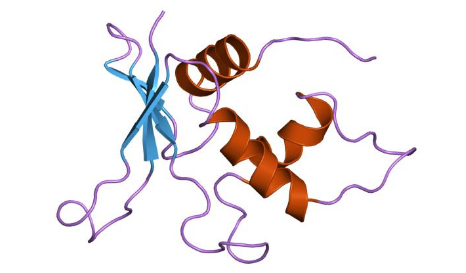
The Human PARK7 ELISA Kit is a cutting-edge tool designed for the detection and quantification of PARK7 (also known as DJ-1) in human biological samples. PARK7 is a multifunctional protein associated with oxidative stress responses and plays a critical role in protecting neurons, making it a significant biomarker in Parkinson’s disease and other neurodegenerative disorders.

Key Features of the PARK7 ELISA Kit
- High Sensitivity and Specificity
- The kit offers precise detection of PARK7 in various sample types, including serum, plasma, and cell culture supernatants.
- Learn more about biomarker detection from National Institutes of Health (NIH).
- User-Friendly Protocol
- Comes with pre-coated plates and ready-to-use reagents for easy implementation.
- For a detailed ELISA workflow, refer to the Centers for Disease Control and Prevention (CDC).
- Broad Range of Applications
- Useful in studying oxidative stress, mitochondrial dysfunction, and neurodegenerative diseases.
Biological Significance of PARK7
PARK7/DJ-1 is a highly conserved protein implicated in various cellular processes:
- Neuroprotection: PARK7 protects neurons from oxidative stress-induced apoptosis, which is critical in diseases like Parkinson’s.
- Explore neuroprotection mechanisms at National Institute of Neurological Disorders and Stroke (NINDS).
- Antioxidant Activity: Acts as an oxidative stress sensor, protecting cells by modulating the redox state.
- Detailed studies are available at PubMed Central (PMC).
- Role in Mitochondrial Health: PARK7 maintains mitochondrial function by reducing oxidative damage.
- Read about mitochondrial biology at National Institute on Aging (NIA).
Applications of the Human PARK7 ELISA Kit
1. Parkinson’s Disease Research
- Quantify PARK7 levels to assess oxidative stress and mitochondrial dysfunction in patients.
- Learn about Parkinson’s research at Michael J. Fox Foundation for Parkinson’s Research.
2. Neurodegenerative Diseases
- Study the role of PARK7 in Alzheimer’s, ALS, and Huntington’s diseases.
- Explore resources at Alzheimer’s Disease Education and Referral Center (ADEAR).
3. Oxidative Stress Studies
- Measure PARK7 as a biomarker of cellular oxidative damage.
- Visit Environmental Protection Agency (EPA) for environmental oxidative stress research.
4. Drug Discovery and Therapeutics
- Evaluate PARK7 modulation as a therapeutic target in neuroprotective strategies.
- Investigate drug discovery methodologies at FDA.

Kit Components
The Human PARK7 ELISA Kit includes:
- Pre-Coated 96-Well Plate: Optimized for high binding affinity.
- Recombinant PARK7 Standards: For accurate calibration and quantification.
- Biotin-Conjugated Detection Antibody: Ensures specificity in detection.
- TMB Substrate Solution: For sensitive colorimetric readout.
- Stop Solution: Stabilizes the reaction for absorbance measurement.
Protocol Overview
- Sample Preparation
- Collect and prepare human biological samples (e.g., serum or plasma).
- Follow sample handling guidelines provided by CDC.
- Assay Procedure
- Add standards, controls, and samples to the wells, followed by biotin-conjugated antibodies and substrate solution.
- For detailed assay optimization, refer to NIST.
- Data Analysis
- Measure absorbance at 450 nm to quantify PARK7 levels.
- Analyze data using software tools recommended by NIH.
Experimental Considerations
- Standard Curve: Run a standard curve for each assay to ensure accurate quantification.
- Incubation Time and Temperature: Adhere strictly to protocol instructions for optimal results.
- Sample Integrity: Avoid hemolysis and lipemia to prevent assay interference.
Advantages of the Human PARK7 ELISA Kit
- Versatile Sample Compatibility: Works with diverse human sample types.
- Reproducibility: Consistent results across multiple runs.
- Clinical Relevance: Facilitates translational research into neurodegenerative diseases.

Further Reading and Resources
- Parkinson’s Disease Resources
- Explore updates and research breakthroughs at NIH Parkinson’s Disease Overview.
- Oxidative Stress Studies
- Investigate the role of antioxidants in disease at PubMed Central (PMC).
- ELISA Guidelines
- Learn about standard protocols at FDA.
- Neurodegenerative Research
- Gain insights from the NINDS.
Conclusion
The Human PARK7 ELISA Kit is a vital tool for researchers studying Parkinson’s disease and other oxidative stress-related disorders. Its high sensitivity, specificity, and ease of use make it a preferred choice for laboratories worldwide. For more information on ordering and technical support, consult trusted resources such as NIH RePORTER or WHO.
By leveraging this advanced ELISA kit, researchers can deepen their understanding of PARK7’s role in neuroprotection and pave the way for novel therapeutic strategies.